
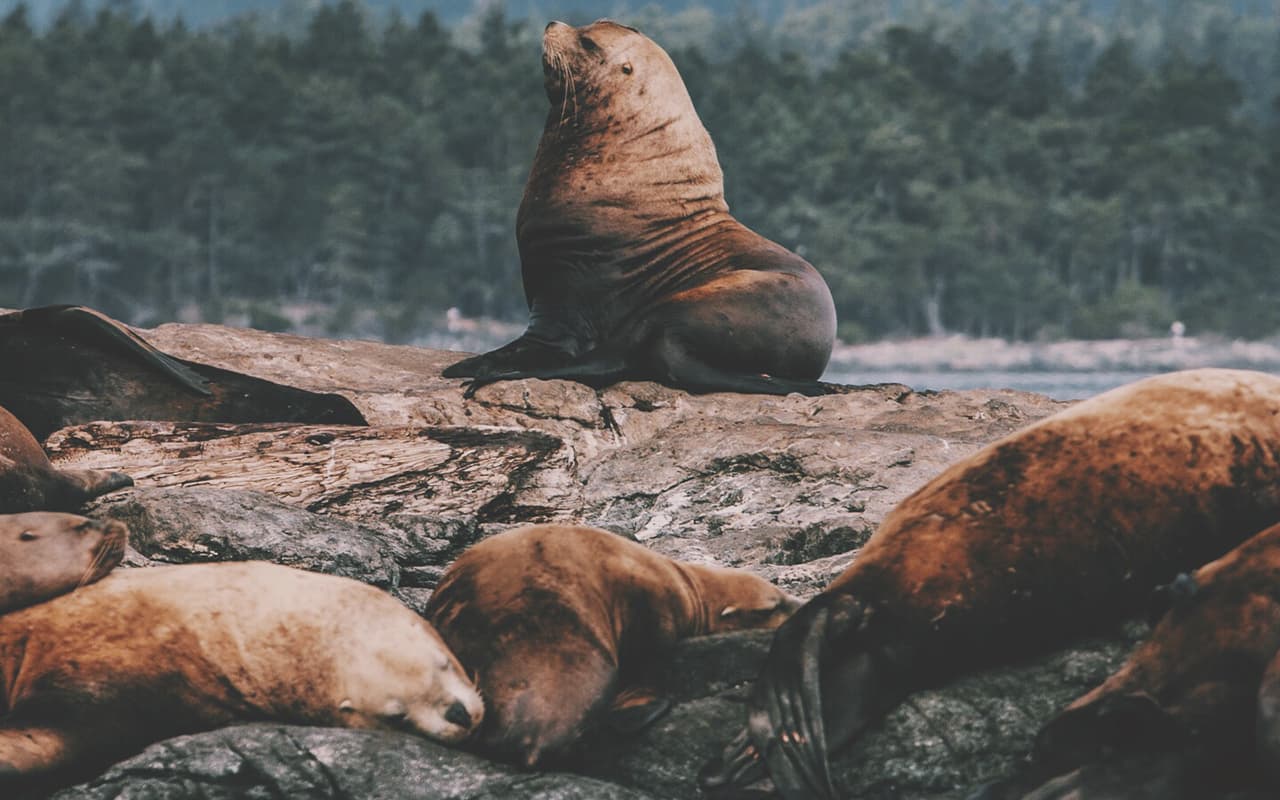
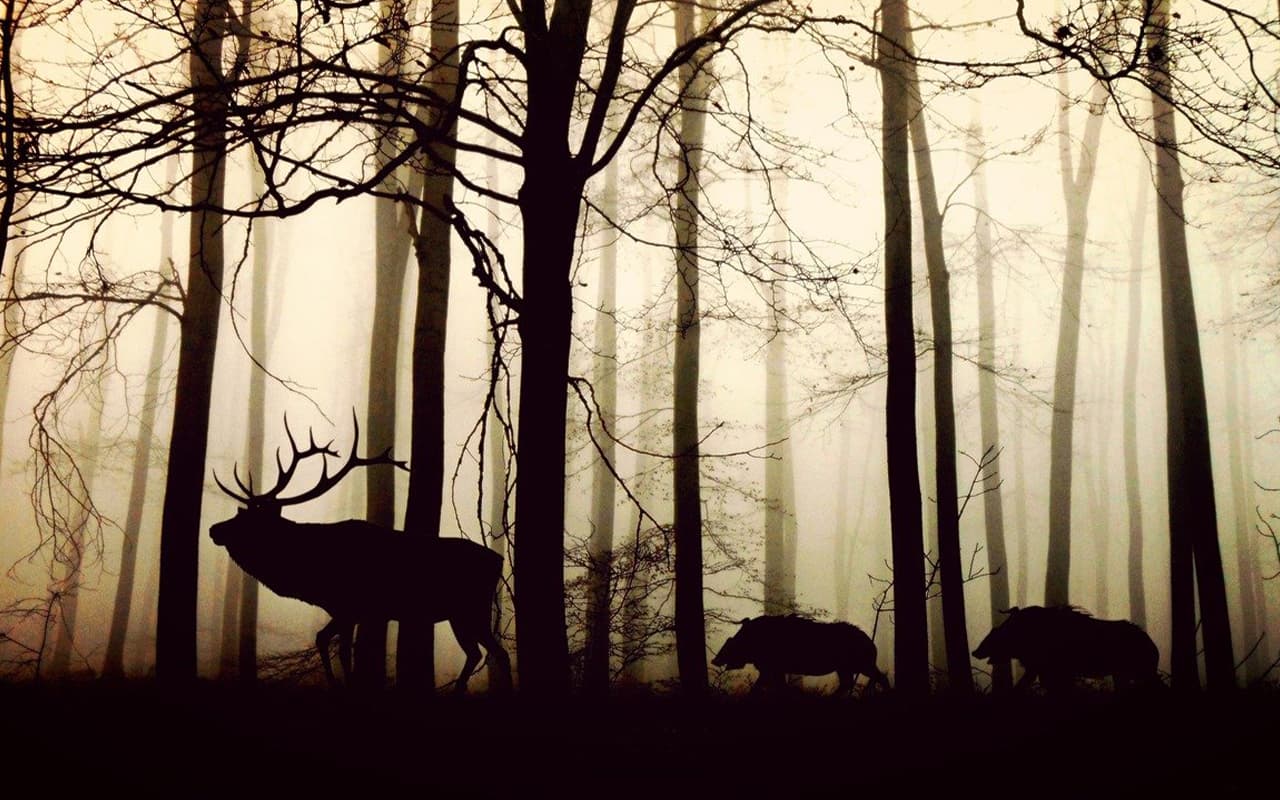
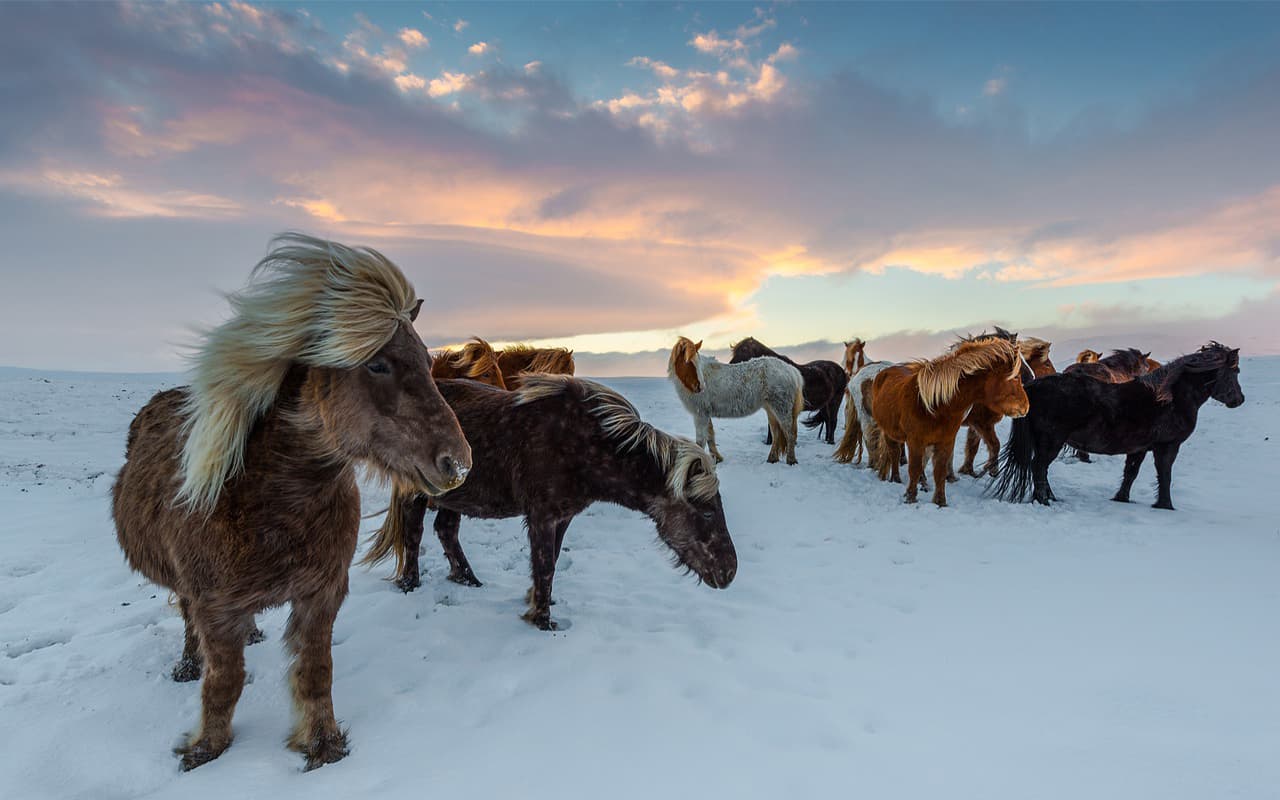



It has long been an axiom that the flora and fauna of the planet need our protection. The most comprehensive information about the flora and fauna of the world is collected in the IUCN Red List. The International Red Book has been published since 1963 by the World Conservation Union. Individual countries or even regions have their own Red Books, which contain more detailed information about animals and plants. Although these books are not legal documents, the inclusion of a species in this folio indicates the prohibition of its commercial harvest and places responsibility on government agencies to protect the particular species.
Red means – forbidding color: don’t ruin it, stop it! It is a signal of danger and alarm, it is an SOS signal that animals give us. So the book is called this way to attract the attention of mankind and try to stop the destruction of nature. The statistics here is overwhelming: at the beginning of the century only one species disappeared per year, while today an entire species disappears every day. The Red Book includes those species of animals and plants that have been forming for many thousands of years and now find themselves facing complete extinction due to human fault.
The Red Book consists of colorful pages. The black pages contain lists of those that are already extinct (wandering pigeons, the sea cow, and others). The red pages contain those animals that are endangered and especially rare (red wolf, bison, beavers, leopard, Amur tiger, snow leopard and others). On the yellow pages – those animals whose numbers are decreasing very quickly (polar bear, pink gull, pink flamingo, gazelle). The white pages list those animals that have always been few in number. The gray pages contain animals that have been studied very little and live in hard-to-reach places. The green pages list animals that were saved from extinction (river beaver, moose).
If some animals or plants no longer need to be protected, they are moved to other pages of the book. It is gratifying that, in addition to the red pages, green pages appear from time to time.
The Red Book is a temporary document. People constantly learn new things about endangered species of animals and plants, propose to take them under protection and, accordingly, regularly add them to the Red Book.
-
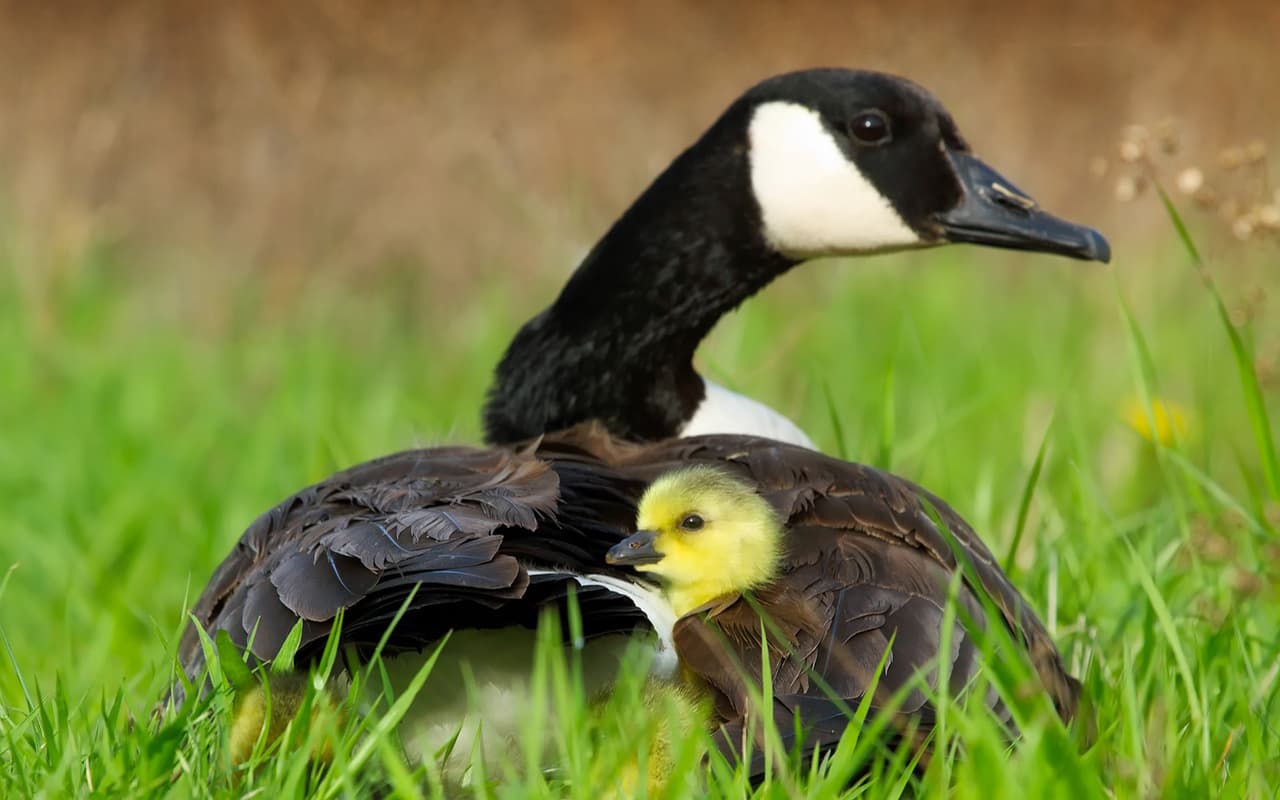
Conservation Measures for Rare Animals: The Global Level
As we’ve said before, the problem of extinction has taken on enormous proportions. So it has to be dealt with at all levels of influence
-
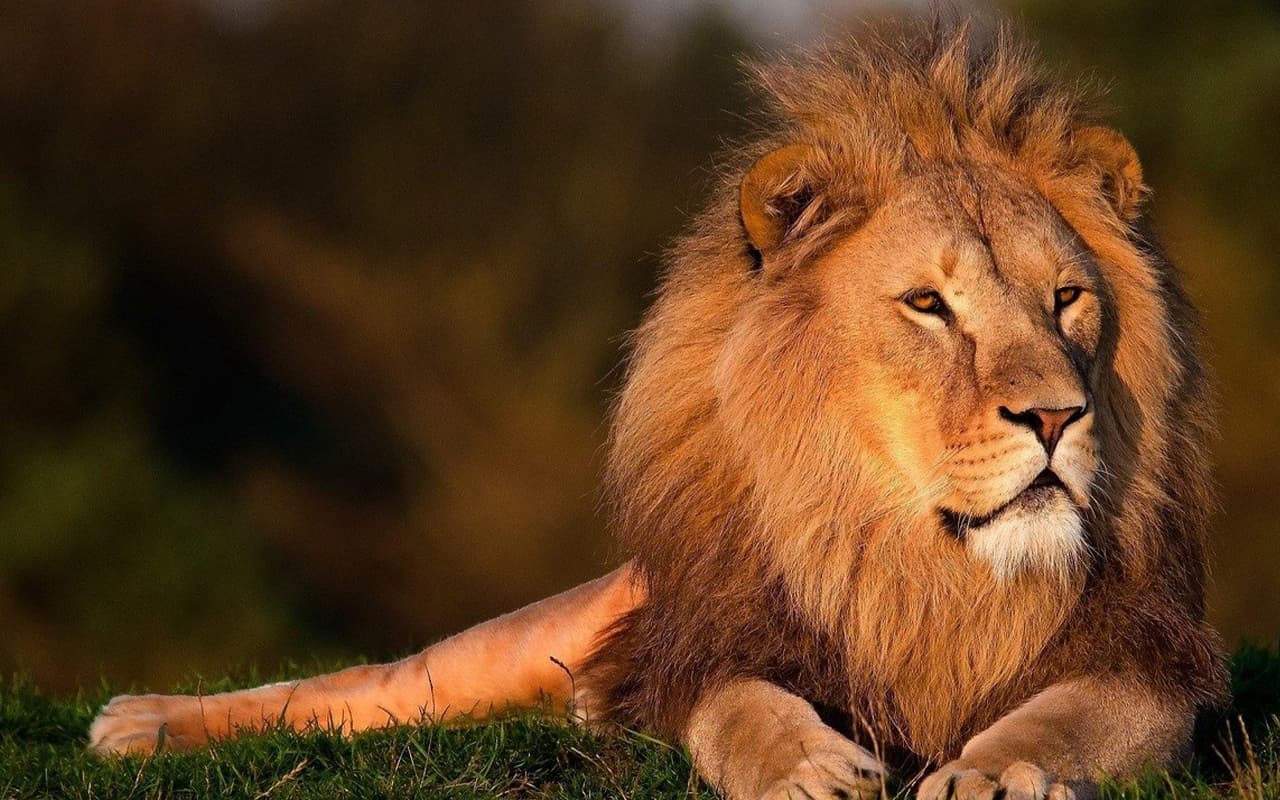
African lion
Mighty, strong, stately and fearless – we are talking about the lion, the king of beasts. With their militant appearance, strength, ability to run fast and always coordinated
-

Causes of the Furred and Feathered Rule the Internet
That, at least, is the conclusion of two researchers from the animal advocacy group People for the Ethical Treatment of Animals (PETA).
-

Is the Internet an animal ally?
The Internet loves animals. It seems pretty obvious that content about animals has dominated the online sphere
Our Friends

Find the nearest landfill, take the garbage to it and help to preserve the environment.
Atlas Pest offers expert bird removal services in Vancouver, utilizing humane and effective methods to protect properties from avian pests safely and efficiently.

Account ranking reflects your hard work and success. Keep striving for excellence, and you’ll see your ranking soar!

STS-Global supplies vehicles and genuine spare parts to overseas operations.

When it comes to Brabus parts, MERCTEIL has you covered from top to bottom. We have everything you need to take your Mercedes-Benz performance to the next level.

If you are looking for bus rental in Paris, BCS Travel have a wide range of options to suit your needs. Our fleet includes vans, buses, and large coaches that can accommodate up to 60 people and their luggage.

Promptsideas is the best ai prompts marketplace where you can buy or sell prompts for Stable Diffusion, DALL-E, Midjourney, Bard, and ChatGPT.

Who called me? How can I find out who’s trying to reach my number here?

LED Lights Direct offers a wide range of high-quality LED linear lighting solutions. Explore our selection of energy-efficient and stylish lighting options. Upgrade your space today!